Aviator Legal Battle: What the UK Court Ruling Means for You
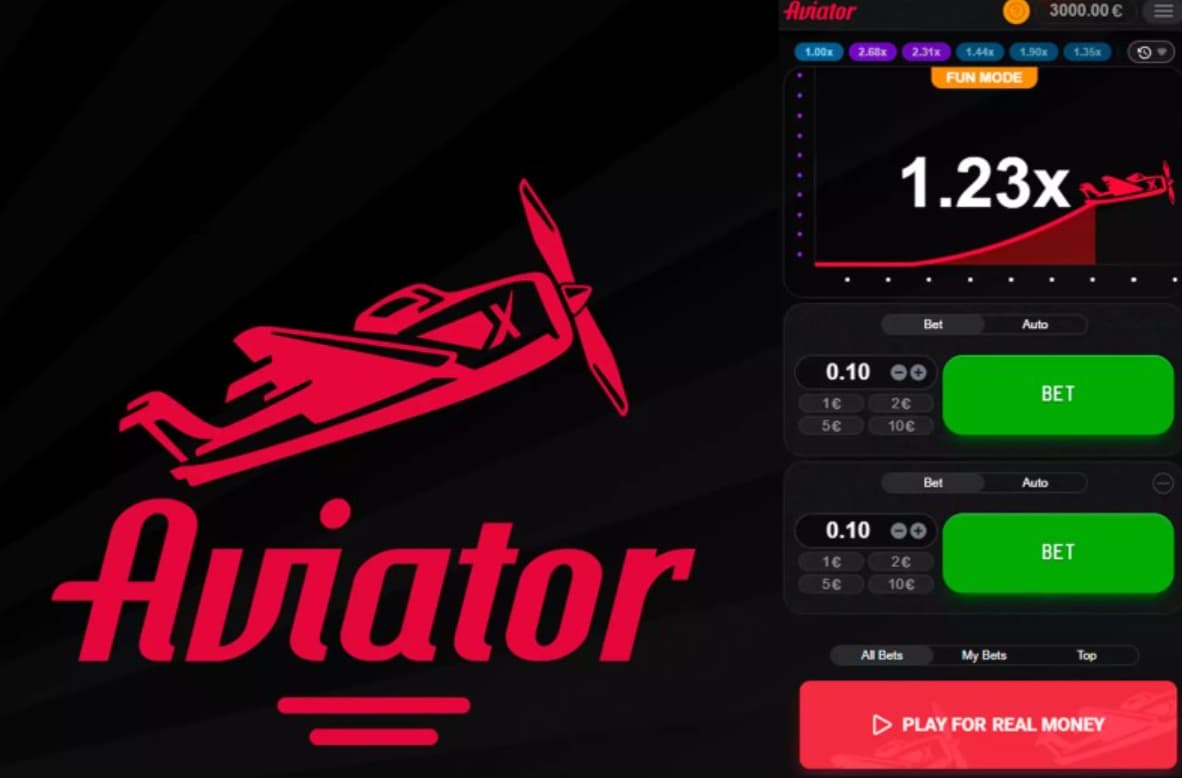
The recent UK High Court ruling in the Aviator trademark dispute has sent shockwaves through the international crash games industry, establishing crucial precedents that affect operators, players, and regulators across multiple jurisdictions. This landmark decision extends interim protection for Spribe’s Aviator game while simultaneously restricting rival launches in Colombia, Romania, and Serbia, creating a complex legal landscape that players and operators must navigate carefully. As the main trial approaches October 2027, understanding the implications of this ruling becomes essential for anyone involved in the crash gaming ecosystem.
Understanding the UK Court’s Interim Protection Decision
The UK High Court’s decision to grant extended interim protection represents a significant victory for Spribe, the developer and operator behind the original Aviator crash game that has dominated international markets since its launch. The court determined that Spribe demonstrated a strong likelihood of success in establishing trademark rights and brand identity associated with the Aviator name and game mechanics. This interim ruling essentially freezes the competitive landscape, preventing rival operators from launching similarly-branded products in key markets while the core legal dispute remains unresolved.
The interim protection granted by the court is particularly noteworthy because it extends beyond the UK’s borders, affecting market access in Colombia, Romania, and Serbia. These three jurisdictions represent important growth markets for crash games, and the restriction on rival Aviator launches significantly impacts the competitive dynamics in these regions. The court’s willingness to impose cross-border restrictions demonstrates the increasing recognition of intellectual property rights in the gaming industry and sets a precedent for how trademark disputes might be handled in other international markets.
The Strength of Spribe’s Legal Position
Spribe’s successful defense of its Aviator trademark reflects the company’s substantial investment in building brand recognition and market presence over several years. The court recognized that Spribe had established genuine goodwill associated with the Aviator brand through consistent marketing, player engagement, and industry presence. This goodwill became the foundation for the court’s decision to grant interim protection, as judges determined that allowing competing products to launch under similar names would likely cause confusion among players and damage Spribe’s commercial interests.
The legal arguments presented by Spribe centered on the distinctiveness of the Aviator brand within the crash games category and the likelihood of consumer confusion if rival operators were permitted to use similar branding. The court accepted these arguments, recognizing that despite crash games being a relatively new category, Aviator had achieved sufficient market penetration and brand recognition to warrant trademark protection. This decision validates Spribe’s strategy of investing heavily in brand development and market education within the crash games space.
Implications for Competing Operators
Competing operators who had planned to launch their own versions of crash games with similar branding now face significant legal and commercial obstacles. The interim protection ruling means these operators cannot proceed with launches in the restricted jurisdictions until the main trial concludes in October 2027. For operators like those behind rival Aviator products, this creates a challenging situation where substantial development and marketing investments may need to be shelved or redirected toward alternative branding strategies and different geographic markets.
Market Access Restrictions Across Key Jurisdictions

The specific restriction of rival Aviator launches in Colombia, Romania, and Serbia highlights how the UK court’s jurisdiction extends influence into these important emerging markets. Colombia represents a rapidly growing market for online gaming and crash games specifically, with increasing player engagement and regulatory development. Romania has established itself as a significant hub for gaming operations and player participation, while Serbia continues to develop its gaming regulatory framework and attract international operators. The restriction in these three markets effectively removes competitive options for players seeking Aviator-style games from alternative providers.
For players in these jurisdictions, the interim ruling means that Spribe’s Aviator remains the primary legally protected option for crash game play. This consolidation of market access around a single provider has both advantages and disadvantages for the player community. On one hand, players benefit from a stable, established platform with proven security measures and player protections. On the other hand, the absence of direct competition may limit innovation and alternative features that rival operators might have introduced to differentiate their products.
Strategic Market Positioning in Restricted Regions
Operators seeking to maintain presence in Colombia, Romania, and Serbia must now consider alternative strategies beyond direct Aviator-style competition. Some operators are exploring different crash game mechanics, unique themes, and innovative features that differentiate their products from Aviator while still operating within the crash games category. Others are focusing on different game categories entirely, recognizing that the Aviator trademark protection effectively closes this particular competitive avenue in these markets. The ruling thus encourages product diversification and innovation beyond simple Aviator clones.
Trademark Disputes and Intellectual Property Precedent
This case establishes important precedent regarding how intellectual property rights apply to gaming products, particularly in the rapidly evolving crash games category. The court’s decision affirms that trademark protection extends beyond simple brand names to encompass the overall commercial identity and reputation associated with a gaming product. This broader interpretation of trademark rights has significant implications for how gaming companies should approach brand development, marketing, and competitive strategy in international markets.
The ruling also demonstrates that courts are increasingly willing to grant interim protection that extends across multiple jurisdictions when trademark infringement appears likely. This cross-border enforcement capability represents a shift in how intellectual property disputes are handled in the gaming industry, where products are inherently international and players access them regardless of geographic boundaries. Operators must now consider how their branding strategies might be received in multiple jurisdictions simultaneously, rather than treating each market as entirely separate.
Building Brand Protection in Gaming Markets
For gaming operators and developers, this case provides crucial lessons about securing intellectual property rights early and comprehensively. Spribe’s success in defending the Aviator trademark stems partly from the company’s proactive approach to trademark registration across multiple jurisdictions and its consistent investment in brand development and marketing. Operators seeking to protect their gaming products should follow similar strategies, registering trademarks broadly, maintaining detailed records of brand usage and market presence, and building recognizable brand identity through consistent marketing and player engagement.
The Road to October 2027 and Main Trial Implications
The interim protection granted by the UK High Court represents just the first phase of what promises to be a lengthy legal process. The main trial scheduled for October 2027 will determine the permanent resolution of the trademark dispute, potentially establishing far-reaching precedent for the entire gaming industry. During this interim period, the competitive landscape remains essentially frozen in the restricted jurisdictions, giving Spribe continued market protection while rival operators must pursue alternative strategies.
The extended timeline until the main trial creates uncertainty for operators, investors, and players alike. Operators cannot confidently plan product launches or market expansion in the restricted jurisdictions without knowing the trial outcome. Investors in competing operators face prolonged uncertainty about the viability of their business models and market access strategies. Players, meanwhile, have limited competitive options in these markets during this interim period, potentially affecting the variety of gaming experiences available to them.
Preparing for Trial Outcomes and Contingency Planning
Operators affected by the interim restriction should use the time until October 2027 to develop comprehensive contingency plans addressing various trial outcomes. If the court rules entirely in Spribe’s favor, operators may need to pivot entirely to different game categories or pursue international markets outside the restricted jurisdictions. Conversely, if the court rules against the trademark protection, operators can immediately launch their planned products in the previously restricted markets. Developing scenarios and strategies for each possibility allows operators to respond quickly when the trial concludes.
Strategic Considerations for Players and Operators
For players interested in crash games, the current legal situation means understanding which platforms are operating within the bounds of trademark protection and regulatory compliance. Playing on Spribe’s Aviator platform provides the security of knowing you are using a product that has successfully defended its legal position and brand identity. When exploring other crash game options, players should verify that operators are using distinct branding and game mechanics that differentiate their products from the protected Aviator trademark.
Operators should focus on developing unique value propositions that go beyond simply copying Aviator’s branding or mechanics. This might involve innovative features, superior user interfaces, better customer support, more attractive promotional offerings, or integration with different gaming ecosystems. By building distinct brand identities and demonstrating genuine innovation, operators can compete effectively in the crash games market while respecting intellectual property rights and avoiding legal challenges.
The UK court’s ruling fundamentally reshapes the competitive landscape for crash games internationally. It reinforces the importance of intellectual property protection in gaming, establishes precedent for cross-border enforcement of trademark rights, and creates a structured competitive environment where innovation and differentiation matter more than simple brand imitation. As the main trial approaches, the gaming industry will continue monitoring developments closely, knowing that the final judgment could reshape competitive dynamics across multiple jurisdictions and gaming categories.
Remember that crash games, like all forms of gambling, carry inherent risks. Players should only engage with crash games as entertainment, never as a means to generate income or recover losses. Set strict limits on the time and money you spend on crash games, never gamble with funds needed for essential expenses, and seek support through organizations like the National Council on Problem Gambling or similar bodies in your jurisdiction if you experience difficulties controlling your gaming behavior. Responsible gambling practices protect your financial wellbeing and ensure gaming remains an enjoyable recreational activity.
